Santa Monica Airport Is Closing. What Happens Next Could Reshape Nearby Home Values.
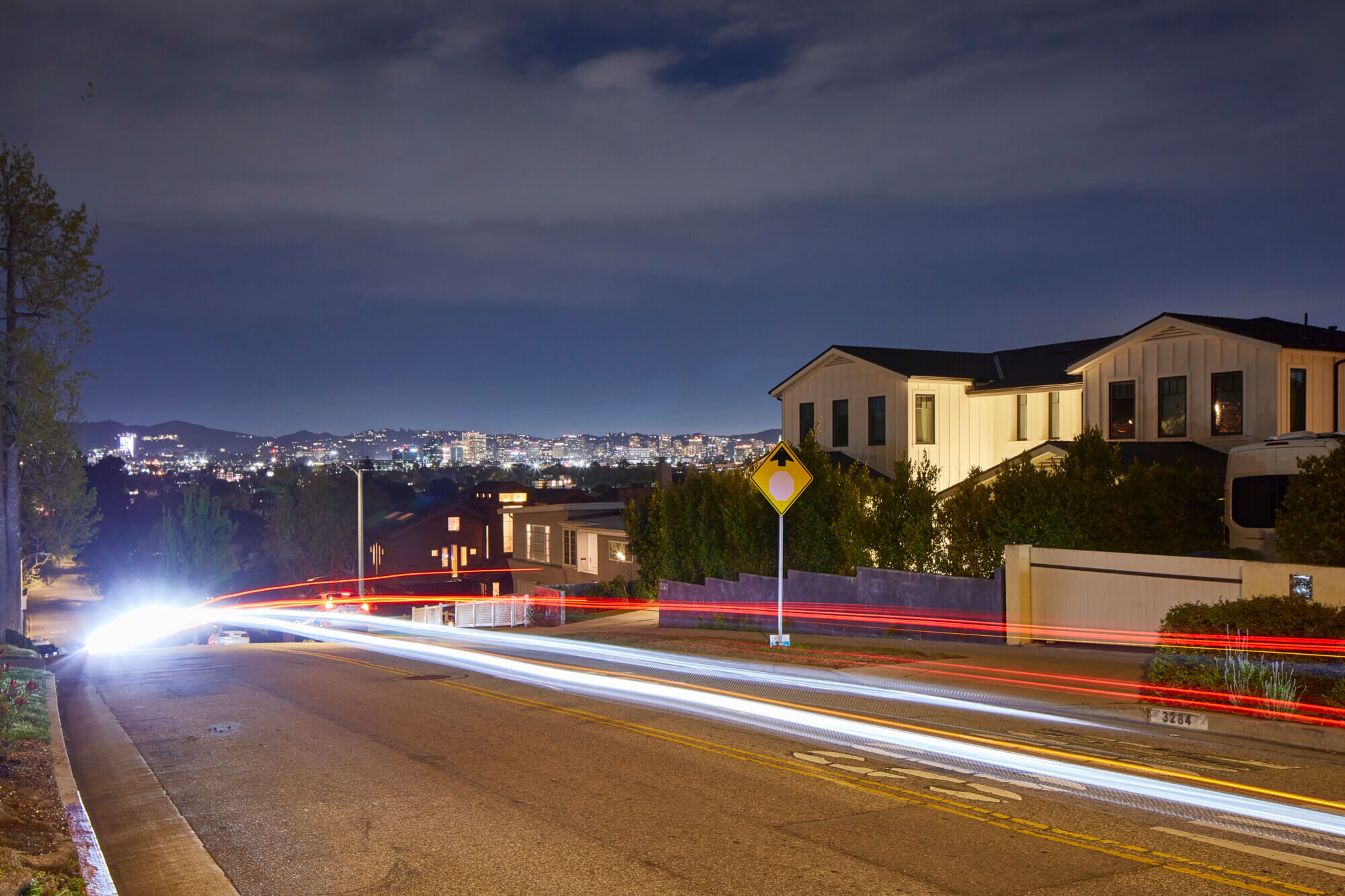
LA is asking for public input. But for homeowners nearby, this decision goes far beyond civic planning. It’s also financial.
There’s a big change coming to the Westside.
The Santa Monica Airport is expected to close by the end of 2028, and the city is now asking the public what should replace it.
On the surface, it sounds like a typical planning conversation. Parks, open space, maybe housing. But if you own a home nearby, or you’re thinking about buying, this isn’t just civic news. It has real financial implications.
We’ve seen this kind of thing before. When a large piece of land changes use in Los Angeles, the surrounding neighborhoods don’t stay the same. They evolve, sometimes slowly, sometimes all at once. And home values tend to follow those shifts.
Example: Playa Vista. What used to be the old Howard Hughes aircraft campus and airstrip was redeveloped into a mixed-use neighborhood with housing, offices, and parks. Over time, it became the center of “Silicon Beach,” attracting major tech companies and driving demand across the Westside.
What's actually being discussed
Nothing has been finalized yet, but the early ideas fall into a few buckets.
Some proposals lean toward a large public park with trails and recreation areas. Others include some level of housing or mixed-use development. There are also hybrid ideas that combine both.
The city is actively collecting feedback through its planning process, and early coverage points to a mix of open space, community uses, and potential development.
And here’s the important part. Each version leads to very different outcomes for the surrounding area.
Why it matters for local homeowners
When you change something as significant as an airport, you’re changing how people experience a neighborhood which, in turn, affects demand.
Things like walkability, noise, traffic, and overall lifestyle start to shift. Buyers respond to that, whether they realize it or not. Then, over time, those shifts show up in pricing.
The three most likely scenarios
If it becomes mostly park space...
Homes near well-designed green space tend to do well over time. People want access to parks. They’re willing to pay for it.
You’re also removing airport activity, which changes the feel (and sound) of the area in a meaningful way. This is usually the most straightforward scenario. Slow and steady upside.
If it includes a housing development...
This is where it gets a little more nuanced.
In the short term, you might see construction and an increase in inventory. That can create some temporary friction.
Longer term, more housing usually brings more people, more businesses, and more demand for the area overall.
It’s not always a straight line, but it often evens out over time depending on how it’s executed.
If it's a hybrid of both...
The timeline people underestimate
This is not happening overnight.
The airport is expected to close in 2028. From there, planning, approvals, and development could easily stretch another five to fifteen years.
That’s important because the market doesn’t wait until everything is finished. It starts adjusting as soon as direction becomes clearer.
What nearby homeowners should be thinking about
If you live nearby, this isn’t something you need to react to immediately. But it is something worth understanding.
You might be wondering:
-
Does this make sense to hold onto longer?
-
Should I make improvements now while the area is evolving?
-
Does this change my timing if I was already thinking about selling?
There isn’t one right answer. It depends on your property, your timeline, and how this specific area develops.
What we do know is that this kind of change doesn’t go unnoticed by buyers.
Looking for a deeper breakdown?
We put together a more detailed guide that walks through the likely scenarios, which neighborhoods are most affected, and what to pay attention to if you own nearby.